How Residential Electrician Repairs Can Lower Long-Term Costs
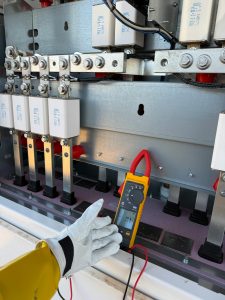
Most homeowners notice electrical problems only when they become impossible to ignore. A breaker starts tripping every evening. Lights flicker when the microwave runs. An outlet feels warm. A switch makes a faint crackling sound that was not there last month. At that point, the issue feels urgent, but the real financial story usually started much earlier.
Electrical systems age quietly. Wires loosen by fractions, connections oxidize, insulation dries out, loads increase as homes take on more electronics, and small installation mistakes reveal themselves years later. What looks like a minor repair often sits at the edge of a much more expensive chain of Go to this site events. That is why timely work from a skilled Residential Electrician can reduce long-term costs in ways many homeowners do not immediately see.
The savings are not limited to avoiding catastrophic failure, although that matters. They also show up in lower energy waste, fewer appliance losses, less drywall damage from emergency access, lower likelihood of fire-related claims, reduced service interruptions, and better planning for future upgrades. In practice, a repair visit today often prevents three separate bills later.
The hidden price of waiting
Homeowners sometimes delay electrical repairs because the problem seems manageable. A dead outlet in the guest room does not feel urgent. Neither does a breaker that trips only when two specific appliances run together. The delay is understandable. Electrical work is not as visible as a leaking faucet or cracked window. Nothing appears to be actively spilling onto the floor.
But electrical systems rarely fix themselves. More often, they degrade in stages. A loose neutral, for example, can begin with occasional light flicker and eventually create unstable voltage on a circuit. That instability can shorten the life of electronics, stress motor-driven appliances, and generate heat at the connection point. By the time someone opens the panel or device box, the repair may involve scorched conductors, replacement devices, and more troubleshooting than would have been needed months earlier.
I have seen homeowners spend a few hundred dollars on a call they thought they were postponing, only to pay several thousand after the problem spread. The difference often comes down to access and scope. Replacing a failing receptacle and correcting a loose wire in one room is straightforward. Tracing a fault after it has damaged part of a branch circuit behind finished walls is another matter entirely.
There is also the cost of uncertainty. When a home has unresolved electrical issues, people adapt their behavior around them. They stop using certain outlets. They run extension cords where permanent power should exist. They avoid the toaster when the space heater is on. Those workarounds have a cost in convenience, but they also create new risks. Temporary fixes tend to multiply problems rather than contain them.
Small repairs often stop expensive damage upstream
One of the most common misunderstandings about residential electrical work is that a repair addresses only the visible symptom. In reality, a good electrician is usually looking upstream and downstream from that symptom. If a switch fails, the question is not just whether the switch is bad. The better question is why it failed. Was it cheap hardware at the end of its life, or was it carrying too much load, wired poorly, or affected by heat from a loose connection?
That diagnostic mindset is where long-term savings begin.
Take a simple example: a dimming kitchen light. A homeowner may assume the bulb is old, replace it, and move on. If the dimming returns, they may ignore it because the circuit still works. A Residential Electrician, however, may find a failing splice in the fixture box or a deteriorated dimmer not rated for the lamps installed. Repairing that early might cost less than a service call for a burned fixture, ceiling repair, and replacement of connected components later.
The same logic applies to outlets that no longer grip plugs tightly. Many people treat that as a nuisance. Loose receptacles can arc internally, especially when high-draw devices like vacuums or space heaters are plugged in. Replacing the receptacle is inexpensive. Replacing charred wiring in a wall cavity, cutting drywall, and checking adjacent connections is not.
Electrical repairs also help protect major appliances. Refrigerators, HVAC systems, washers, dryers, and induction cooktops all depend on clean, stable power. Voltage drops, poor grounding, and overloaded circuits can reduce efficiency and shorten equipment life. If a repair prevents one premature appliance replacement, it may pay for itself several times over. Even a midrange refrigerator often costs more than many common electrical repairs. A central air system costs much more.
Energy waste is real, even when everything still “works”
A home does not need to go dark to lose money through electrical inefficiency. Some electrical defects waste power in less dramatic ways. Loose connections create resistance. Resistance creates heat. Heat represents energy going somewhere you do not want it to go.
Not every wiring issue leads to a measurable jump in the utility bill, and I would be careful about promising dramatic savings from repair work alone. Still, over time, certain problems absolutely contribute to wasted energy. Poorly terminated conductors, aging breakers with internal wear, failing devices, and circuits struggling under loads they were not designed to carry can all reduce system performance.
Consider an older home where several rooms were added to an existing circuit decades ago. The homeowners may notice the lights dip slightly when a hair dryer starts or when the portable AC kicks on. That dip suggests the circuit is under strain. The fix may involve redistributing loads, tightening terminations, replacing worn devices, or in some cases running a new dedicated circuit. None of that sounds glamorous, but it can reduce heat buildup, improve appliance operation, and eliminate the sort of inefficiency that accumulates month after month.
There is also an indirect energy cost when people compensate for unreliable circuits. They may use power strips in series, extension cords across rooms, or portable lighting because permanent fixtures do not behave correctly. Those workarounds are usually less efficient and often less safe. Restoring the system to proper function tends to improve both cost control and day-to-day use.
Emergency work is almost always the expensive version
Scheduled repairs cost less than emergency repairs in most trades, and electrical work is no exception. When homeowners act early, the electrician can troubleshoot under controlled conditions, order the right parts if needed, and complete the repair before there is collateral damage. Once a problem becomes urgent, the price structure changes.
After-hours service rates are typically higher. If power is lost to critical areas, a temporary solution may be needed before a permanent one can be installed. If a fault causes burning at a panel, meter base, or service entrance, coordination with the utility may come into play. If walls or ceilings have to be opened quickly to trace damage, finish repairs add another layer of cost.
A fairly ordinary problem can become expensive simply because it escalates at the wrong time. A homeowner ignores a panel buzz for weeks, then one evening the main breaker fails during a heat wave. Suddenly the family is paying for urgent diagnostics, panel work, possible permit handling, and maybe even spoiled food if refrigeration is interrupted long enough. The repair itself may not be dramatically different from what could have been done earlier, but the circumstances make it more expensive.
Planning matters even more in homes with older electrical infrastructure. If the panel is obsolete or the house still carries remnants of outdated wiring methods, a small failure can turn into a broader corrective project because replacement parts are limited or because code and safety considerations narrow the repair options. Addressing warning signs early gives the homeowner more flexibility and often more control over budget.
Fire prevention is also cost prevention
Electrical safety conversations often focus on worst-case outcomes, and for good reason. Faulty wiring and damaged connections can start fires. Even when a fire is contained quickly, the financial impact can be severe. Smoke damage, insulation contamination, emergency restoration, temporary lodging, insurance deductibles, and premium increases all add up fast.
Yet you do not need a total-loss event for costs to climb. I have seen minor electrical burn incidents lead to opening walls, replacing insulation, checking adjacent circuits, repainting, and cleaning smoke residue from finished surfaces. The direct electrical repair was a small fraction of the total bill.
This is one area where preventive repair creates unusually strong value. Replacing a failing breaker, correcting overheated terminations, installing proper AFCI or GFCI protection where needed, and repairing damaged wiring can keep a minor fault from becoming a structural claim. Homeowners sometimes focus on the visible price of the electrician’s invoice without comparing it to the full downstream cost of even a small fire event.
Insurance carriers understand this risk, which is why electrical age and condition often come up during underwriting, especially in older homes. While every insurer evaluates differently, a well-maintained electrical system generally supports smoother ownership than a house with unresolved hazards and a paper trail of known issues left unaddressed.
Repairs can extend the life of larger system components
A panel replacement is one of the bigger electrical expenses many homeowners eventually face. Sometimes it is necessary because the service is undersized or the equipment is obsolete. Sometimes, though, the useful life of existing equipment can be preserved by dealing with individual failures before they spread stress through the system.
For example, a breaker that repeatedly trips should not simply be reset and forgotten. The cause might be an overloaded circuit, a failing appliance, a bad breaker, or a fault in the wiring. Repeated nuisance tripping generates frustration, but repeated overheating does more than frustrate. It can degrade insulation and contacts over time. If the issue is corrected early, the panel may continue to serve reliably for years. If ignored, the homeowner may end up facing broader repairs because multiple components have been affected.
The same principle applies to service connections, subpanels, and whole-house surge protection. A Residential Electrician who catches corrosion, improper lug torque, or weak protection devices early can prevent a chain reaction of wear. These are not dramatic jobs from the homeowner’s point of view, but that is often the point. Quiet maintenance is cheaper than visible failure.
Modern homes place old wiring under new pressure
A lot of long-term electrical cost comes from a mismatch between what a home was built to support and how the home is used now. Houses built decades ago were not designed around home offices, multiple televisions, gaming systems, fast chargers, air fryers, portable AC units, bidet outlets, garage freezers, and electric vehicle charging. The system may still function, but the margin for error gets smaller every year.
That mismatch often shows up first as repair work rather than full upgrades. Circuits run hot. Receptacles wear out faster. Breakers trip under perfectly ordinary use. Bathroom and kitchen outlets become overloaded because the number of countertop appliances has doubled. A homeowner may think the answer is to be more careful. Often the better answer is to repair weak points and then evaluate whether some targeted upgrades make financial sense.
Not every house needs a full rewire or service increase. Sometimes cost-effective repairs paired with a few strategic additions solve the problem. A dedicated circuit for a microwave, a new line for a garage refrigerator, correction of a shared neutral issue, or replacement of damaged devices may significantly reduce strain on the rest of the system. The savings come from avoiding repeated service calls and protecting the larger infrastructure from chronic overload.
What a careful repair visit should accomplish
The best repair calls do more than replace a failed part. They leave the homeowner with a clearer understanding of the system’s condition and what deserves attention next. That does not mean every visit needs to turn into a sales pitch for major upgrades. It means the electrician should be able to distinguish between immediate hazards, worthwhile preventive work, and issues that can reasonably be monitored.
A useful repair visit often includes a few key outcomes:
- The visible problem is fixed and tested under load.
- Related connections and nearby devices are checked for heat, wear, or improper installation.
- The likely cause is explained in plain language.
- Any safety concerns are prioritized by urgency, not dramatized.
- The homeowner gets realistic guidance on what can wait and what should not.
That kind of judgment is what separates a cheap invoice from a cost-effective one. A homeowner may pay a little more for thorough diagnostics, but that often reduces repeat visits and avoids misdiagnosis. Replacing the wrong part is never the bargain it first appears to be.
The value of catching issues during small projects
One overlooked way repairs lower long-term costs is by surfacing hidden issues during unrelated work. A homeowner calls for a new light fixture, ceiling fan, EV charger estimate, or kitchen outlet replacement, and the electrician notices aluminum branch wiring splices handled incorrectly, an overloaded multi-wire branch circuit, or a panel with clear signs of heat damage. That is not upselling for the sake of it. It is one of the few moments when someone qualified is already looking where trouble tends to hide.
I have seen relatively modest service calls uncover problems that had likely been present for years. In one case, a homeowner wanted a dimmer installed in a dining room. The real issue turned out to be a loose backstabbed connection in the same box that had already discolored the conductor insulation. Fixing that at the time added little to the bill. Ignoring it could easily have led to an outage or worse.
There is a practical budgeting advantage here too. When issues are discovered early, homeowners can stage repairs. They can prioritize the immediate hazard, price out recommended follow-up work, and decide what to handle this quarter versus next year. That is much easier than financing a sudden emergency.
Older homes deserve a different kind of attention
In newer homes, repairs are often localized. In older homes, the visible problem may be the most recent symptom of a broader pattern. Cloth-insulated wiring, outdated panels, ungrounded receptacles, bootleg grounds, mixed wiring methods, and decades of homeowner modifications all increase the chance that one repair will reveal a larger story.
That should not automatically alarm homeowners. Plenty of older homes can be made safe and reliable without complete gut renovations. But it does mean the financial benefit of proper repair work is usually greater. In these houses, small defects tend to have wider consequences because the system has less reserve capacity and more unknowns hidden behind finished surfaces.
If your home is older and you are noticing recurring electrical quirks, a thoughtful repair strategy can save substantial money over time. That strategy may involve fixing the immediate fault, documenting circuit layouts, labeling the panel accurately, replacing the worst devices first, and creating a phased plan for upgrades in high-load areas like kitchens, bathrooms, laundry spaces, and garages. That is a more measured and affordable approach than waiting until the system forces a large project under pressure.
When replacement is smarter than repair
Repairs save money, but not every component deserves repeated repair. Good electrical judgment includes knowing when replacement is the better financial move. A worn receptacle, single faulty breaker, or damaged switch is often a clear repair case. A severely deteriorated panel, obsolete unsafe equipment, or branch circuits with widespread insulation failure may justify replacement instead.
This is where homeowners benefit from candid advice. The cheapest immediate fix is not always the lowest long-term cost. If a panel has recurring issues, limited breaker availability, and signs of past overheating, spending money on piecemeal repairs may only delay a more expensive but necessary replacement. On the other hand, recommending a full system overhaul for every nuisance issue is just as unhelpful.
A trustworthy Residential Electrician should be able to explain the crossover point. The right decision usually depends on age, condition, code implications, expected load growth, and the cost of keeping an unreliable component in service. Homeowners do not need perfect systems. They need safe, serviceable systems that make financial sense.
A lower bill is only one kind of savings
When people hear "lower long-term costs," they often think only of reduced monthly utility expenses. That matters, but the larger savings usually come from avoided disruption. Fewer emergency calls. Fewer damaged appliances. Less time lost waiting for sudden repairs. Less chance of opening walls after a preventable failure. Less stress around whether the next breaker trip is a nuisance or a warning.
Electrical systems support everything else in a house. When they are unreliable, every routine becomes more expensive in subtle ways. The freezer full of food is at risk during outages. Remote work is interrupted. HVAC performance suffers. Charging devices becomes a game of outlet roulette. Those may not show up as a single line item, but homeowners feel the cost all the same.
Timely repairs restore predictability, and predictability is financially valuable. It lets homeowners budget instead of react. It lets them make upgrades on their schedule rather than under duress. It protects the more expensive equipment connected to the system every day.
That is why electrical repair should not be viewed as a narrow expense. Done well, it is a form of asset protection. It preserves the house, the appliances inside it, and the owner’s ability to avoid bigger, messier, more expensive problems later. For most homes, that is where the real long-term savings live.
Paxos Electric Company, LLC
255 NJ-15, Wharton, NJ 07885, United States
+1 973-598-8543
FAQ About Residential Electrician
What does a residential electrician do?
A residential electrician installs, inspects, maintains, and repairs electrical systems in homes. Common services include troubleshooting circuits, replacing panels, adding outlets and lighting, and completing electrical work for renovations.
When should I call an electrician for my home?
Call a licensed electrician if you notice repeated breaker trips, flickering lights, buzzing, burning odors, warm outlets, sparks, or unexplained power loss. Urgent warning signs should be addressed promptly.
Can a residential electrician upgrade an electrical panel?
Yes. A qualified electrician can evaluate the existing service, determine whether an upgrade is appropriate, obtain required permits, and install a panel sized for the home and planned electrical loads.
Do I need an electrician to install an EV charger?
A home EV charger often needs a dedicated circuit and a review of panel capacity. A licensed electrician can confirm the manufacturer requirements and complete the installation according to local electrical codes.